
Charging an EV at Home with Solar Power Is Increasingly Common
Share
More households are combining solar panels with a home charging station for their electric vehicle. Charging an EV at home with solar power allows surplus solar energy to be used immediately. This reduces the amount of electricity fed back into the grid while increasing the direct use of renewable energy generated at home.
According to BlueBird Power, interest in solar charging continues to grow. The Dutch net-metering scheme will end on 1 January 2027. Combined with lower feed-in tariffs and feed-in charges from some energy suppliers, this is encouraging homeowners to make better use of the electricity generated by their solar panels.
Benefits of charging an EV at home with solar power
With solar charging, an electric vehicle is charged whenever the solar panels are producing electricity. Smart charging stations automatically adjust their charging capacity based on the available solar energy.
Bart Holthuizen, Director and Head of Product at BlueBird Power, explains:
“Charging stations and electric vehicles normally require a minimum charging current. This can make it difficult to charge directly using solar power. With smart software and dynamic switching between one and three phases, the charging capacity automatically adjusts to the available solar energy. Unlike many other providers, this optimisation happens in real time.”
By continuously adjusting the charging capacity, the charging station follows fluctuations in solar generation throughout the day. This allows homeowners to use more of their own renewable energy.
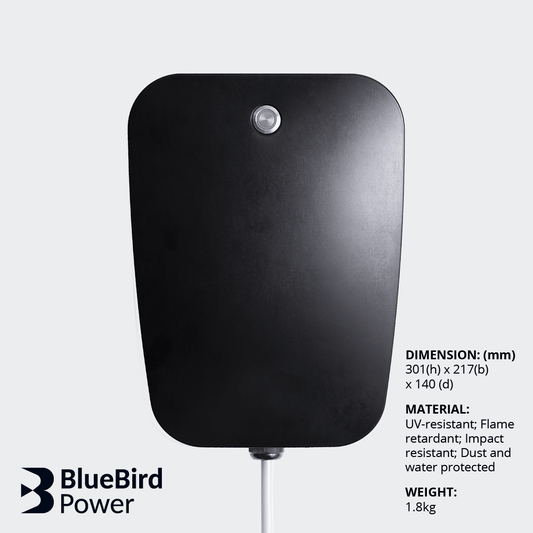
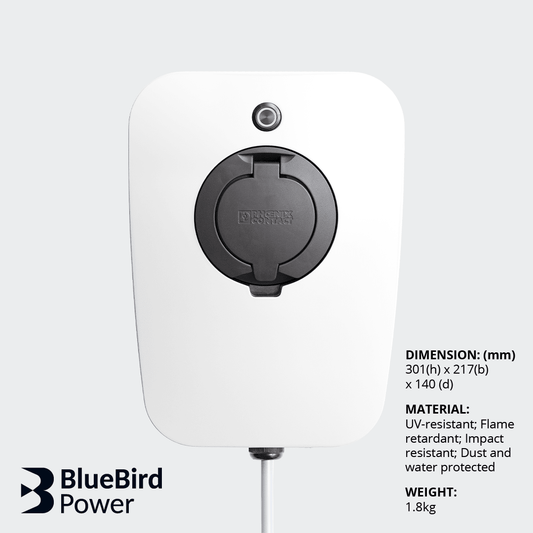
The BlueSky Tethered Home Charger and BlueSky Socket Home Charger both support smart solar-optimised charging.
Less dependent on the electricity grid
According to BlueBird Power, using self-generated solar energy directly also helps reduce pressure on the electricity grid.
When households charge their vehicles with locally generated electricity, less power needs to be drawn from or fed back into the grid. This can also lower charging costs because a greater proportion of the electricity comes directly from the home’s solar panels.
Bart Holthuizen explains:
“Many households have surplus solar energy during the day. By using that electricity to charge an electric vehicle immediately, you increase self-consumption and improve the return on your solar investment.”
Homeowners can monitor their solar production and manage charging through the BlueBird Power app.
The electric vehicle as energy storage
An electric vehicle can also provide temporary storage for solar energy. Modern EV batteries can store tens of kilowatt-hours of electricity, allowing surplus solar energy to be stored instead of immediately exported to the grid.
Using that stored electricity to supply the home later requires a compatible vehicle, charger and energy setup that supports bidirectional charging.
According to BlueBird Power, interest in intelligent charging solutions continues to increase. These solutions combine solar energy, dynamic electricity tariffs and smart home energy management as households look for more sustainable and cost-effective ways to manage their energy.
Read the original article
Read the complete article published by Arie Blokland.