
BlueBird Power Introduces a Unique Dutch EV Charging Ecosystem
Share
Dutch start-up BlueBird Power has introduced a unique Dutch EV charging ecosystem that combines intelligent software with a self-installable charging station.
The system is designed to make electric driving greener, smarter and more affordable. Its features include charging with self-generated solar energy, dynamic load balancing and automatic charging based on changing electricity prices.
The platform is also prepared for the next stage of the energy transition, including Vehicle-to-Grid technology.
The launch comes as the Dutch electricity grid faces increasing pressure and the number of electric vehicles continues to grow. According to BlueBird Power, EVs should become part of the solution rather than an additional burden on the grid.
Martin Keulemans, Commercial Director at BlueBird Power, explains:
“The future of the electricity grid is not that it becomes overloaded by EVs, but that EVs help relieve pressure on the grid. Hardware is only half the story. The real value comes when hardware and software work together as one integrated system.”
How the Dutch EV charging ecosystem works
BlueBird Power has developed an ecosystem in which the charging station, mobile app and intelligent software work together with the electricity grid.
The software automatically schedules charging during the cheapest and most sustainable hours. It can pause charging during expensive imbalance periods and maximise the use of self-generated solar energy.
In addition to reducing energy costs, the charging station is designed for cost-efficient installation. Users can complete much of the installation themselves and monitor their savings through the BlueBird Power app.
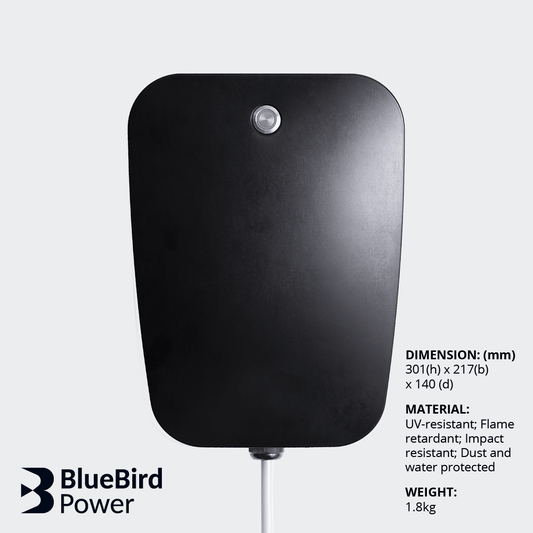
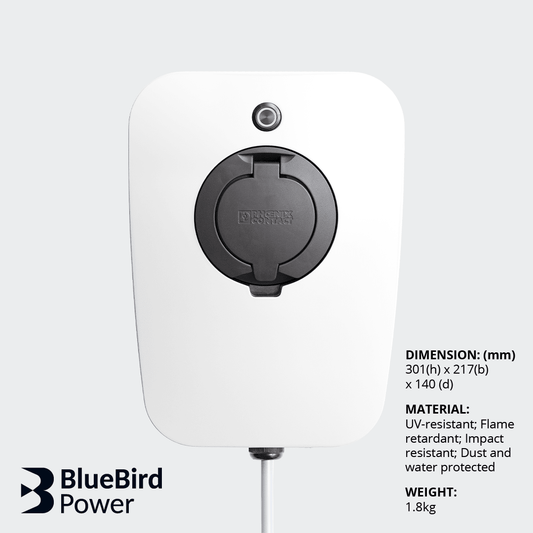
The ecosystem is available through the BlueSky Tethered Home Charger and the BlueSky Socket Home Charger.
Smart energy management
According to Martin Keulemans, EV charging is becoming part of a broader home energy-management system.
“Charging is now part of a smarter home energy system: cleaner, more intelligent and more robust. Our platform is V2G-ready and technically prepared to feed electricity back into the grid in the future.”
The system already monitors household energy consumption and solar production. When household electricity demand increases, charging power is automatically reduced.
When surplus solar energy is available, it is used to charge the vehicle instead of being exported to the grid. This will become increasingly valuable when the Dutch net-metering scheme ends on 1 January 2027.
The company is developing a multifunctional charging solution that combines advanced software and intelligent charging hardware in one integrated platform. The aim is to address a gap that currently exists in the EV charging market.
Read the original article
Read the complete article published by Duurzaam Ondernemen.