
The Dutch Electricity Market: Key Trends from 2024

TenneT recently published its Annual Market Update 2024. The report paints a clear picture of the trends and transformations shaping the Dutch electricity market and the wider European power sector.
The results show encouraging progress in renewable generation and electricity prices. They also highlight the growing need for flexibility as the electricity system becomes more dependent on changing levels of solar and wind generation.
Dutch electricity market prices declined
Electricity prices in the Netherlands fell by 19% to an average day-ahead price of €77 per MWh in 2024. Across Northwestern Europe, prices decreased by 26% to an average of €71 per MWh.
Although these reductions are significant, average electricity prices remain above the levels seen before the energy crisis in 2021.
Lower gas, coal and CO₂ prices contributed to the decline. Increasing renewable-electricity production also played an important role.
More hours with negative electricity prices
The number of hours with negative day-ahead electricity prices increased by 45% in the Netherlands. In total, the country experienced 458 hours with negative prices during 2024.
These periods were largely driven by increasing renewable generation during times of relatively low demand. During sunny periods, the available electricity supply can exceed immediate consumption, pushing wholesale prices below zero.
This trend demonstrates why flexible energy consumption is becoming increasingly important. Electric vehicles can contribute to that flexibility by charging during periods when renewable electricity is widely available.
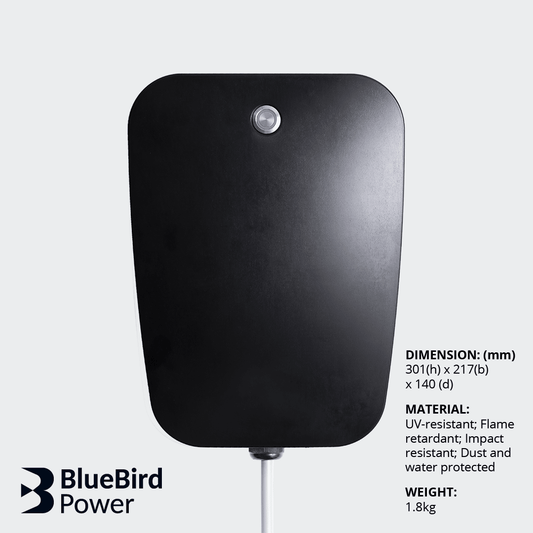
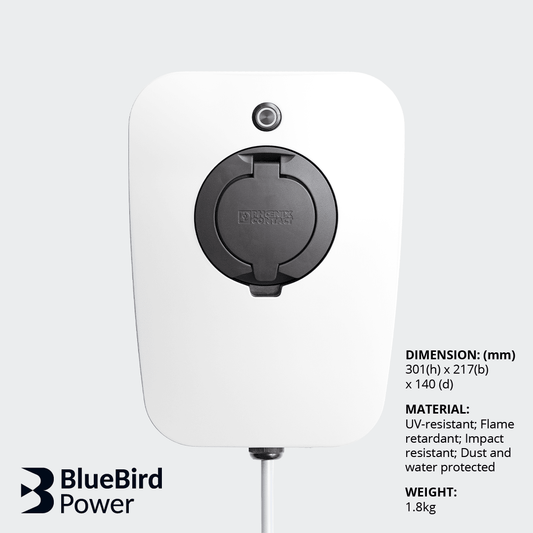
A smart BlueSky home charger can help drivers shift charging to more favourable periods when used with a dynamic energy tariff.
Renewable electricity continued to grow
Electricity generation from wind and solar reached 55 TWh in 2024, an increase of 9%. Together, wind and solar accounted for 45% of total Dutch electricity production, compared with approximately 28% across the European Union.
Total electricity production in the Netherlands reached approximately 121 TWh. Gas remained the largest individual source of electricity generation, despite the continued growth of solar and wind power.
The figures demonstrate substantial progress. However, they also show that the electricity system must become better at matching demand with periods of high renewable generation.
Through the BlueBird Power app, customers can monitor charging, household energy consumption and solar generation within one connected system.
CO₂ emissions fell at a slower pace
CO₂ emissions from the Dutch electricity sector fell by 4 megatonnes to 23 megatonnes in 2024. This represents a reduction of approximately 15%.
While this remains a positive development, TenneT described it as the smallest reduction in the past three years. The slower pace can partly be explained by the more gradual reduction of fossil-fuel electricity generation.
The average price of emissions allowances under the EU Emissions Trading System also declined. It fell by approximately 26% to an annual average of around €66 per tonne of CO₂.
Flexibility is becoming essential
The trends are moving in the right direction, but it is also evident that parts of the energy transition are slowing. Continued progress requires flexibility in electricity generation, consumption and grid infrastructure.
At BlueBird Power, we continue working towards a cleaner and more affordable energy system. Smart charging can help electric vehicles use more renewable electricity while reducing consumption during periods of high demand.
Day by day. Smart charger by smart charger.